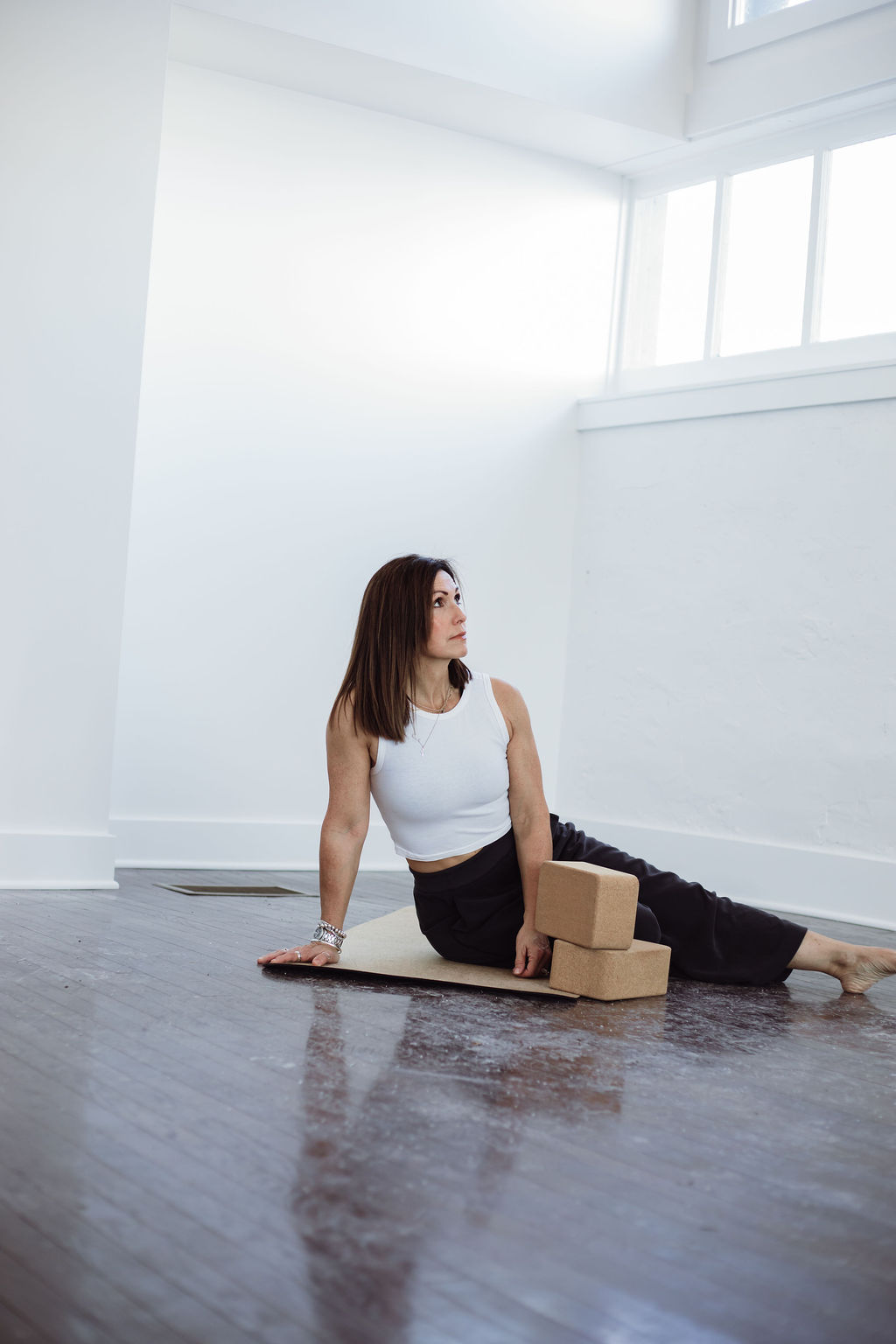
Most people don’t see things the way they are; they see them the way THEY are.
Have you ever wondered how two people can experience the exact same situation and walk away with two completely different stories? One person sees an obstacle, while another sees an opportunity. One sees rejection, while another sees redirection. One sees a mistake, while another sees a lesson. The circumstances may be identical, yet the interpretations are entirely different. Why? Because we don’t simply see the world as it is. We see the world through the lens of who we are, what we have experienced, what we believe, and what we carry inside us.
Our perception is shaped by our perspective, and our perspective is shaped by our life.
Think about that for a moment. Every experience we have ever lived through leaves a little something behind. Our childhood, our relationships, our disappointments, our victories, our heartbreaks, our insecurities, and even the words people have spoken to us become part of the lens through which we view the world. If we have been hurt, we may look for reasons not to trust. If we have been rejected, we may interpret someone’s silence as a sign that we aren’t wanted. If we have been criticized, we may hear judgment in words that were never intended to hurt us. Sometimes, the world isn’t treating us the way we think it is. Sometimes, we are interpreting the world through wounds we haven’t yet healed.
Imagine two people walking into a room where nobody acknowledges them. One person immediately thinks, “They must not like me.” Their feelings are hurt, their guard goes up, and they spend the rest of the evening feeling excluded. The other person thinks, “Maybe everyone is distracted. I wonder if someone needs a friendly face.” They smile, introduce themselves, and make the best of the situation. Same room. Same people. Same circumstances. Two entirely different experiences.
The difference wasn’t necessarily what happened around them. It was what happened within them.
This is why becoming aware of our thoughts is so important. We often believe our first interpretation of a situation is the truth, when in reality, it may only be one possible explanation. We confuse our assumptions with facts, our fears with intuition, and our past experiences with present reality. We fill in the blanks of someone else’s story with the details of our own. Before we know it, we are reacting to what we think happened rather than taking the time to understand what actually happened.
How many arguments could be avoided if we simply asked one more question before making an assumption? How many relationships could be strengthened if we chose curiosity over judgment? How much unnecessary hurt could we prevent if we stopped believing that every action, every silence, every disagreement, or every difference in opinion was somehow about us?
Not everything is personal. Not every closed door is rejection. Not every disagreement is disrespect. Not every delay is a disaster. And not everyone who sees things differently from us is wrong.
Sometimes, people are simply looking through a different lens.
This doesn’t mean our feelings aren’t valid. Our feelings are real, and they deserve our attention. But there is a difference between acknowledging a feeling and assuming that the feeling tells us the whole truth. We can feel hurt without deciding someone intended to hurt us. We can feel afraid without assuming danger is present. We can feel uncertain without convincing ourselves that everything will go wrong. Our emotions provide information, but they don’t always provide the entire picture.
The goal isn’t to ignore what we feel. The goal is to become curious about why we feel it and whether our interpretation reflects reality.
And this responsibility goes both ways. Just as we must recognize that our own perspective can be limited, we must also remember that other people are looking through their own lenses. Their reactions, opinions, and behaviors are influenced by experiences we may know nothing about. The person who seems difficult may be struggling. The person who seems distant may be protecting a wounded heart. The person who reacts strongly to a small situation may be carrying the weight of a much larger one.
Understanding this doesn’t mean excusing hurtful behavior or allowing others to treat us poorly. It means leaving room for compassion without abandoning our boundaries. We can hold people accountable while recognizing that there may be more to their story than we can see.
What if, instead of immediately judging someone, we paused long enough to consider what might be shaping their perspective? What if we approached disagreements with the desire to understand rather than the need to win? What if we remembered that being right about the facts doesn’t always mean we understand the whole story?
There is tremendous freedom in realizing that we don’t have to see everything the same way. We don’t have to agree with everyone to respect them. We don’t have to understand every person’s choices to treat them with kindness. And we don’t have to defend every opinion we hold as though changing our minds would somehow make us weaker. In fact, the willingness to question our own perspective is a sign of growth.
It takes courage to admit that we may have misunderstood someone. It takes humility to recognize that our experiences have influenced our judgments. And it takes emotional maturity to say, “I never looked at it that way before.” The moment we become willing to examine our own lens is the moment we open ourselves to a much bigger world.
So, how do we begin to see things differently?
We start by pausing before reacting. We ask ourselves whether we know something to be true or whether we are making an assumption. We consider alternative explanations. We listen to understand instead of listening to respond. We become willing to challenge the stories we tell ourselves, especially the ones rooted in fear, insecurity, resentment, or past pain.
And perhaps most importantly, we work on ourselves.
The more peace we cultivate within, the less likely we are to interpret everything around us as a threat. The more secure we become in who we are, the less likely we are to view someone else’s success as our failure. The more we heal from yesterday’s hurts, the less likely we are to make today’s people pay for yesterday’s pain. When we grow in gratitude, we begin to notice what is good. When we grow in compassion, we begin to see the humanity in others. When we grow in confidence, we stop needing everyone to agree with us to feel secure in ourselves.
We may not always be able to change what happens around us, but we can work on changing the lens through which we view it. And that can change everything.
The truth is, we will never see every situation perfectly. We are human. We have biases, blind spots, emotions, and experiences that influence our understanding. But we can choose to remain open. We can choose to keep learning. We can choose to recognize that there is often more than one side to a story and more than one way to interpret an experience.
The next time something upsets you, challenges you, or causes you to judge another person, take a moment and ask yourself: Am I seeing this situation as it truly is, or am I seeing it through the lens of who I have become because of what I have lived through? This single question may reveal more than you expect.
Sometimes, the very thing that needs to change isn’t the situation, the other person, or the world around us. Sometimes, it’s the way we are seeing it.
We don’t just see things as they are. We see them as we are. And the beautiful part is that as we grow, heal, learn, and become more aware, our vision can change, too.
May we all become people who look beyond our assumptions, see beyond our own experiences, and remember that everyone we meet is carrying a story we may never fully understand. May we choose understanding over judgment, curiosity over criticism, and compassion over the need to be right.
When we change the way we see, we often change the way we live. And sometimes, a different perspective is all it takes to see a whole new world.
Each week we try to correlate these Blog Posts with our weekly newsletter. In each you will also get a helpful Mindful Minute – this week, “Puzzle Time.” If you haven’t yet, enter your first name, email and click “yes, please” in the black box within the main Blog Page of this website to have these drop into your inbox each week.
For additional tips on mindful living and topics like this, follow me @livinghealthyin5fields on social media.

you said: