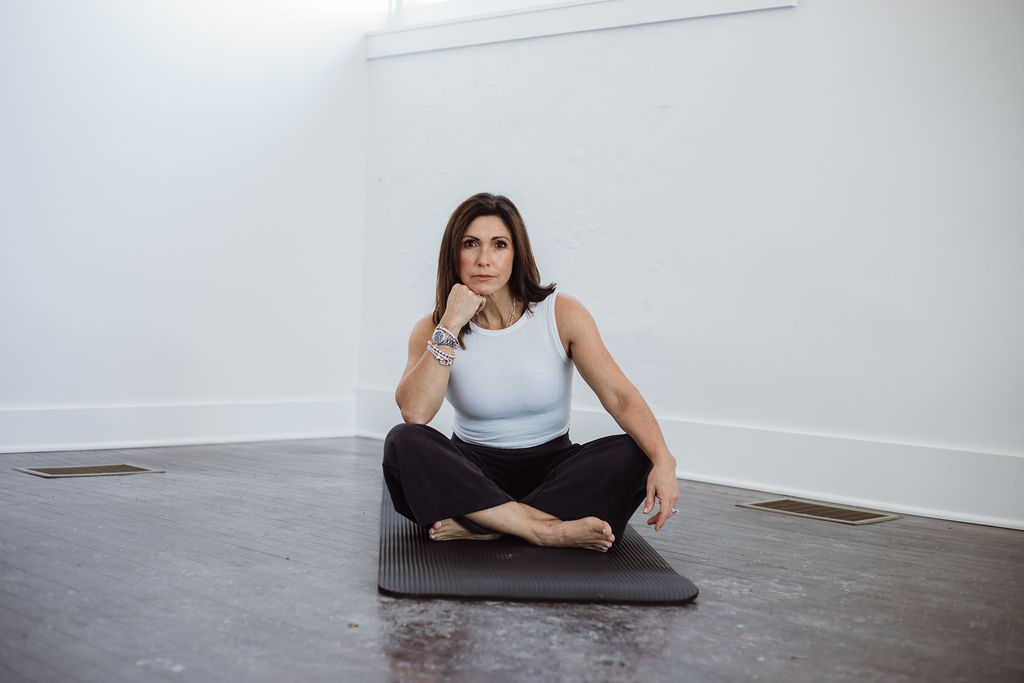
What people see on the outside can vary from what’s on the inside. Often, beneath that exterior, a quieter and, at times, a messier reality exists – one filled with doubt, fear, longing, and questions we don’t always know how to voice.
The gap between what people see on the outside and what’s happening on the inside is not a flaw of individual character; it may, instead, be a learned survival skill. From an early age, many of us are taught – intentionally or unintentionally – to present strength, not struggle. We learn which emotions are acceptable, which achievements earn praise, and which vulnerabilities should be hidden. Over time, we curate a version of ourselves that fits expectations, even when it drifts further away from the truth.
This gap can be protective – helping us function, perform, and move through demanding environments. But when the distance grows too wide, it becomes isolating. A person can be surrounded by others and still feel deeply unseen. Compliments may land hollow. Success can feel undeserved or meaningless. An inner voice can quietly ask, If they really knew me, would they still accept me?
Closing this gap doesn’t mean oversharing everything or dismantling all boundaries. It means cultivating alignment – allowing our outer lives to more honestly reflect our inner ones, even in small ways. Alignment begins with self-awareness. Before we can show up more authentically to others, we must be willing to acknowledge what’s actually happening inside us. That requires slowing down, listening inward, and naming emotions without judgment.
Another key step is redefining strength. Strength is often mistaken for emotional invulnerability, but real resilience includes the capacity to admit uncertainty and ask for support. When people share their inner realities – thoughtfully and safely – it often invites others to do the same. Vulnerability, when met with care, builds connection rather than weakness.
Language also matters. Many people default to automatic responses – “I’m fine,” “All good,” “Just busy.” While these phrases are socially convenient, they can reinforce the gap. Experimenting with more honest but still boundaried responses – “I’m hanging in there,” or “It’s been a lot lately” – can gently narrow the distance without demanding emotional labor from others.
It’s also important to realize that closing the gap is not solely an individual responsibility; it’s a collective one. Creating environments where inner truths are welcome – at workplaces, within families, and in communities – shape how safe people feel being real. When others model openness, when emotions aren’t punished or dismissed, and when listening is valued over fixing, authenticity becomes less risky.
The process of closing the gap is uncomfortable. Letting the outside reflect the inside means risking misunderstanding, rejection, or awkwardness. But it also opens the door to deeper relationships, greater self-respect, and a sense of wholeness. When who we are and how we appear begin to align, the constant effort of pretending eases. Energy once spent maintaining an image becomes available for growth, creativity, and connection.
Ultimately, closing the gap is not about becoming a completely different person, it’s about becoming more fully ourselves. It’s choosing honesty over performance, presence over perfection. While the outside may never tell the whole story, even a small bridge between inner truth and outer expression can make life feel more real and connected, opening ourselves to true self-compassion and more genuine relationships.
Each week we try to correlate these Blog Posts with our weekly newsletter. In each you will also get a helpful Mindful Minute – this week, “How’s the Weather.” If you haven’t yet, enter your first name, email and click “yes, please” in the black box within the main Blog Page of this website to have these drop into your inbox each week.
For additional tips on mindful living and topics like this, follow me @livinghealthyin5fields on social media.

you said: